
Slab Leak Detection & Repair in Plano, TX
Slab leak repair in Plano splits almost entirely along one line: which side of town you're on.
Legacy, Willow Bend, and the west Plano development that followed them were built with copper water lines running under the concrete. Those lines are now thirty to forty years old, which is precisely the window where copper under a slab starts producing pinhole leaks. If you're west of Central and your water bill has jumped, this is the first thing to rule out.
Master Plumber M-46550 · Licensed & Insured · Open 24/7
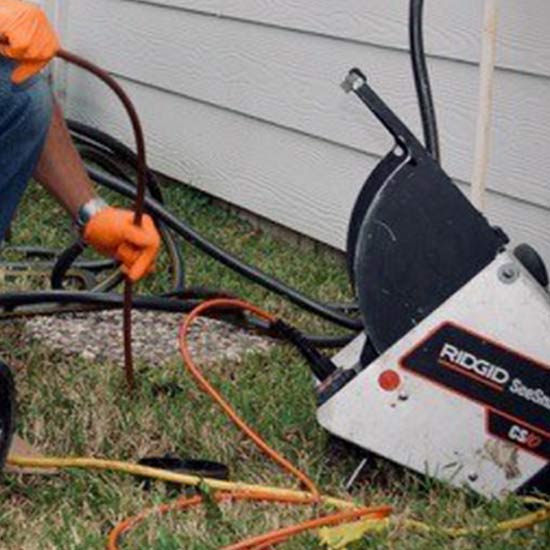
Signs of a Slab Leak
- A warm or damp patch on the floor, usually in one area
- Water bill up with no change in how you use water
- Water pressure dropping across the house
- Running water you can hear with every fixture off
- New cracks in flooring, tile grout, or along a wall
- A musty smell with no obvious source
- Flooring lifting, warping, or discolouring
Do the meter test before you call anyone. Shut off every fixture, including the ice maker and the irrigation system. Find the water meter, note the small dial or triangle, wait fifteen minutes, and look again. If it moved, water is escaping somewhere. It won’t tell you where. It does tell you there’s something real to find.
Why West Plano Homes Get Them
Copper is good pipe. It just doesn’t last forever under concrete.
Three things work on it at once. It corrodes slowly from the inside, which over decades produces pinholes rather than a single break. Blackland Prairie clay swells and shrinks with every wet and dry cycle, and a rigid line embedded under concrete has nowhere to move, so that stress concentrates at bends and fittings. And lines that shift even slightly against the slab or against gravel wear thin at the contact points.
By thirty-five years, all three have had time to do their work. It’s a normal end-of-life pattern rather than a sign anything was built badly.
East Plano behaves differently. The older neighbourhoods around downtown and Haggard Park predate that construction era, and their problems tend to be cast iron drainage rather than copper supply. Newer north Plano construction along the SH-121 corridor is largely PEX, which flexes with ground movement and rarely produces a slab leak at all.
One thing worth checking on later west Plano builds. Post-tension slab foundations became common in this area from roughly the mid-1990s. If yours is one, cutting into the concrete is genuinely dangerous and the repair approach changes completely. We wrote about how post-tension foundations change slab leak repair separately, and it’s worth reading before anyone quotes you on breaking concrete.

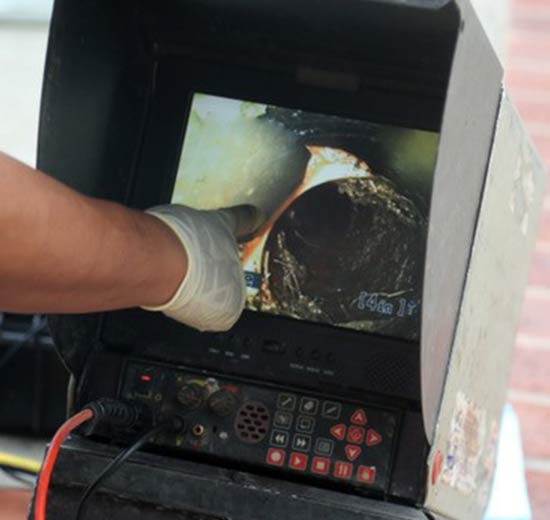
How We Locate It
Locating is the job. Everything after it is cheaper or more expensive depending on how well this part was done.
Confirm there’s a leak — meter test, then a pressure test to isolate the supply system from everything else.
Establish hot or cold side. This narrows things immediately and usually explains the warm spot.
Pinpoint it acoustically. Listening equipment picks up water escaping under concrete, and we work it down to within inches rather than to a room.
Confirm before committing. Sometimes with a camera, sometimes by isolating sections.
Show you what we found, then price the options in writing.
A leak located precisely is a small, targeted repair. A leak guessed at becomes a much larger hole in your floor. Ask any company how they locate before you let them quote fixing one.
Your Repair Options
Reroute. Abandon the run under the slab and run new line overhead through the attic or walls. Frequently cheaper than concrete work, far less disruptive, and it takes that section permanently out of the slab. On a post-tension foundation it’s usually the right answer.
Spot repair. Open a small section of slab, repair the line, close it. Suitable for a single leak in an otherwise sound system on a conventional slab.
Repipe. For homes on their second or third leak. If copper has failed twice in the same system, the material is at its age rather than one spot being unlucky, and chasing individual leaks usually costs more over a few years than replacing the affected runs once.
You’ll see all three priced where they apply. Companies that always open concrete generally do it because it’s the only method they have.
Upfront Pricing
Full price in writing before we start, and it doesn’t change partway through. We price the job, not the hour. Decline and you pay the service call, nothing more. Financing is available — slab leak repair is one of the jobs it exists for.
Plano Slab Leak FAQs
My house is in Legacy. Am I in the risk window?
Probably. Legacy, Willow Bend, and the surrounding west Plano development mostly went up with copper supply lines under the slab, and those are now in the thirty-to-forty-year range where pinholes typically begin. It doesn’t mean you have a leak. It means the meter test is worth doing if your bill has moved.
Is it a hot line or a cold line, and does it matter?
It matters a lot. Roughly speaking, a warm patch on the floor means a hot water line, which narrows the search immediately. Cold line leaks give you the bill and the pressure drop without the warm spot, so they tend to run longer before anyone notices. Establishing which it is happens early in the locate, and it shapes where we look.
How long does it take to find one?
Usually one to three hours to locate. Confirming a leak exists is quick. Pinpointing it under concrete is the part that takes time, and it’s time well spent, because every hour narrowing the location saves considerably more in unnecessary demolition.
Is a reroute worse than repairing the original line?
No, and it’s often better. The rerouted section is new pipe in an accessible location, which means it can’t fail under the slab again and any future repair is straightforward. The main trade-off is running it through attic or wall space, which we’ll show you before starting.
What if you find a second leak while you're working?
We’ll stop and talk to you before doing anything unplanned. A second leak changes the calculation — it’s usually the point where a repipe becomes the better financial answer rather than fixing two spots separately.
Does my homeowner's insurance cover it?
Policies vary a great deal. Many cover the damage the water causes but exclude the pipe repair itself, and some cover access costs like opening and closing concrete. Worth reading yours before assuming either way. We document what we find, which helps if you do file.
Other Plano services: sewer line repair · water heaters · drain cleaning · all Plano plumbing
Think You Have a Slab Leak in Plano?
Run the meter test, then call us with your neighbourhood and build year. In Plano those two things tell us most of what we need before we arrive.