
Leak Detection in Frisco, TX
Water bill jumped for no reason? Warm spot on the floor? Running water you can hear with every tap off?
Leak detection in Frisco starts with finding the leak, not opening your floor to hunt for it. We use acoustic equipment and pressure testing first, and only cut concrete when there's no better route.
Master Plumber M-46550 · Licensed & Insured · Open 24/7
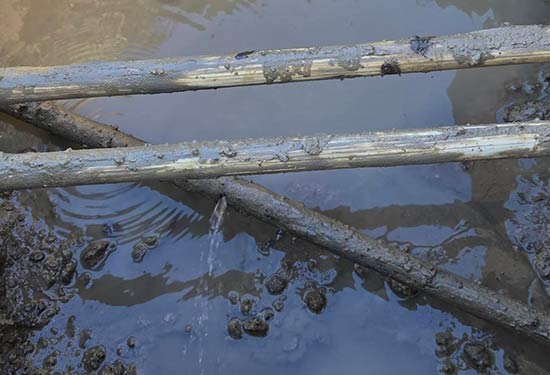
Signs of a Hidden Leak
- Water bill up with no change in how you use water
- A warm or damp patch on the floor
- Water pressure dropping across the house
- The sound of running water when everything is shut off
- New cracks in flooring or along a wall
- A musty smell with no obvious source
- Grass greener over one patch of the yard
Try this yourself first. Shut off every fixture, including the ice maker and irrigation. Find your water meter and note the leak indicator — the small dial or triangle. Wait 15 minutes and look again. If it moved, water is escaping somewhere. That won’t tell you where, but it tells you there’s something to find.
Whether You're at Risk Depends on When Your House Was Built
Frisco has a sharper build-era divide than most cities its size, and for leaks it’s the thing that matters.
Homes from roughly 1995 to 2005 were largely plumbed with copper water lines running under the concrete slab. Copper under a slab develops pinhole leaks as it ages, and those homes are now in the window where it starts. If your house is from Frisco’s first growth wave, this is the likeliest source.
Homes from about 2005 onward are mostly PEX, which handles ground movement far better and doesn’t pinhole the same way. That doesn’t make them leak-proof — fittings and connections still fail, and so do supply lines to fixtures and appliances — but a slab leak is much less likely.
Older Frisco, pre-1990, can have galvanized steel supply, which corrodes internally and shows up as pressure loss across the whole house rather than a wet spot.
Knowing your build year tells us what we’re looking for before we arrive. Tell us when you call.
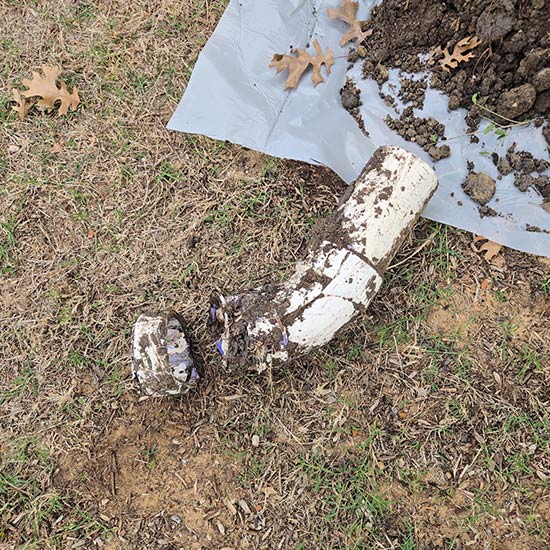
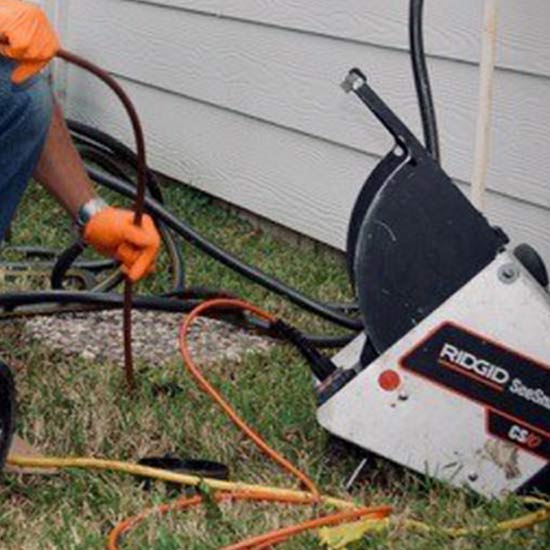
How We Find It
We locate before we open anything. That order is the whole job.
- Confirm there’s a leak — meter test and a pressure test to isolate the supply system
- Narrow the area — acoustic listening equipment picks up water escaping under concrete, and we work it down to within inches
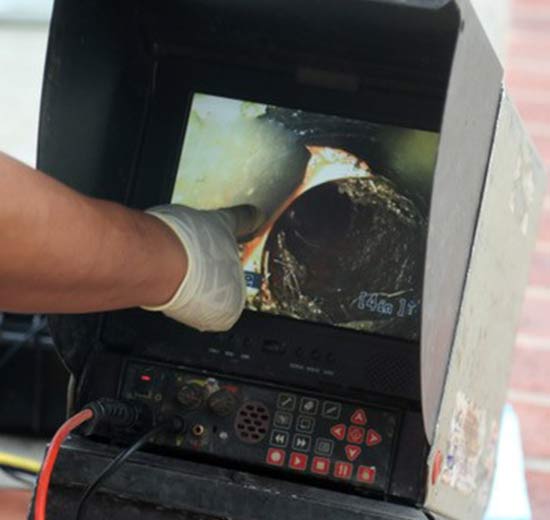
- Confirm the line — sometimes with a camera, sometimes by isolating sections
- Show you what we found and give you options in writing
A leak located precisely is a small, targeted repair. A leak guessed at becomes a much bigger hole in your floor and a much bigger bill.
Ask any plumber how they locate a slab leak before you let them quote fixing one. If the answer is vague, keep calling.
Your Repair Options
Once we know where it is, there’s usually more than one way to fix it:
Spot repair — open a small section of slab, repair the line, close it. Best for a single leak in an otherwise sound system.
Reroute — abandon the run under the slab and run new line overhead through the attic or walls. Often cheaper and far less disruptive than concrete work, and it takes that section out of the slab permanently.
Repipe — for older homes with repeat failures, replacing the affected system rather than chasing leaks one at a time.
You get the options with prices before you decide. Companies that only open concrete usually do it because it’s the only method they have.
Upfront Pricing
Full price in writing before work starts. Priced by the job, not the hour. Decline and you pay the service call, nothing more. Financing available on larger repairs.
Other Plumbing Services in Frisco
Frisco Leak Detection FAQs
My Frisco home is newer. Can I still have a slab leak?
Yes, though it’s less likely. Homes built from around 2005 onward mostly have PEX, which resists ground movement well. Leaks in newer homes are more often at a fitting, a supply line to a fixture or appliance, or the yard line between the meter and the house.
Does my house have copper or PEX under the slab?
Build year is the best guide. Frisco homes from roughly 1995 to 2005 typically have copper under the slab; later construction is mostly PEX. If you’re not sure of your build year, Collin County Appraisal District has it and it’s free to look up.
Do you have to break up my floor?
Not always, and not first. We locate the leak precisely, then give you options — rerouting the line overhead is frequently cheaper and less disruptive than opening concrete.
How long does leak detection take?
Most residential jobs are one to three hours to locate. Confirming there’s a leak is quick; pinpointing it under a slab takes longer.
Will my insurance cover a slab leak?
Policies vary a lot. Many cover the damage water causes but not the pipe repair itself, and some exclude the slab work. Worth reading your policy or calling your agent — we’ll document what we find either way, which helps if you do file.
How much water can a slab leak waste?
Enough to show clearly on a bill. If yours has jumped noticeably and your habits haven’t changed, that’s a real signal rather than a billing error.
Think You Have a Leak in Frisco?
Run the meter test, then call us with your build year. That gets us most of the way to knowing what we’re looking for.